usługi IT
E-commerce integrator – how can connecting an e-commerce store with an ERP system improve your work?
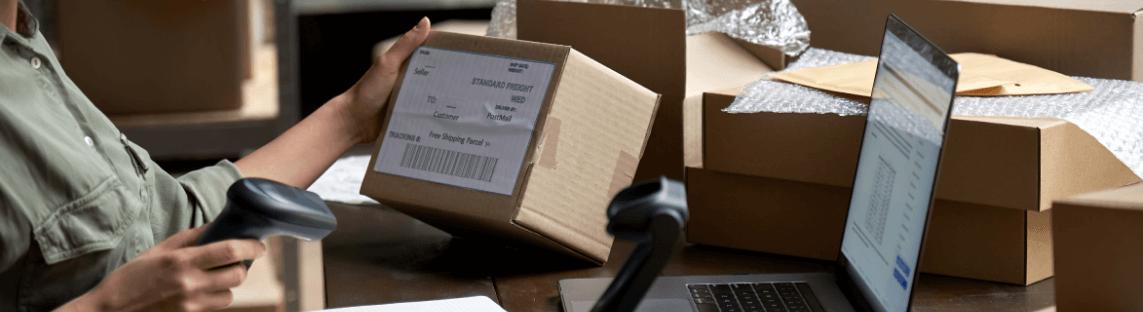



Modern IT solutions have the ability to operate not only independently, but also to work together – even if they were not created by the same manufacturer.
This is possible thanks to specialized integrators. One type is an e-commerce integrator, which provides a seamless exchange of information between an e-shop and other software. In our post, we will talk about integration with ERP systems.
From our entry you will learn:
Get a free consultation with our specialist
Write to us
Integration of information systems means that they can communicate. Two or more systems can be integrated, so they can exchange data with each other.
An e-commerce integrator is a tool that enables the exchange of data between an online store (e.g. Magento, IdoSell, etc.) and another IT system. This communication is two-way, that is, the store can both send and receive information.
The e-commerce integrator is useful both for start-up e-businesses whose owners are concerned about a lot of work, and for long-established companies that need to manage a large number of orders, customers and warehouses.
The integrator runs in the background and does not have a separate interface. The integration can be run once in a while or every shift if you are working with a very large number of orders and need to update inventory on an ongoing basis.

An e-commerce integrator can simplify virtually every area of work for companies running an online store. First of all, it automates repetitive activities, so there is less chance of making a mistake and you are left with more time to take care of the really important aspects.
An e-commerce integrator will help you streamline:

An e-commerce integrator supports the entire sales process, from customer inquiry to order fulfilment. The most important advantages of an e-commerce integrator are:
Significantly, the operation of a dedicated e-commerce integrator can be continuously expanded with new functionalities. As your company grows or a new market need arises, the integrator can continue to expand its scope.
AUTOR: Aleksandra Klement

Korzystasz z Comarch ERP XL, Comarch ERP Optima lub innego systemu Comarch? To dobry moment, aby sprawdzić, czy Twoje oprogramowanie jest przygotowane na kolejne zmiany związane z Krajowym Systemem e-Faktur. Od 1 sierpnia 2026 roku dla większości użytkowników kończy się bezpłatny okres komunikacji z KSeF, co oznacza konieczność spełnienia nowych wymagań technicznych. To także dobry moment, aby zweryfikować, czy Twój partner Comarch zapewnia odpowiednie wsparcie oraz informuje o wszystkich zmianach z odpowiednim wyprzedzeniem.
CZYTAJ WIĘCEJZ pomocą sztucznej inteligencji zautomatyzować można nie tylko procesy księgowe czy sprzedażowe, ale także te związane z gospodarką magazynową, logistyką czy obsługą klienta. Co istotne, narzędzia AI są częścią systemu ERP, co oznacza, że mogą korzystać z danych dostępnych w całym systemie i uczyć się w czasie rzeczywistym.
CZYTAJ WIĘCEJSystem MES (Manufacturing Execution System) to oprogramowanie służące do zarządzania i monitorowania produkcji w czasie rzeczywistym na poziomie hali produkcyjnej. Jego podstawowym zadaniem jest połączenie warstwy planistycznej i biznesowej z rzeczywistym wykonaniem operacji, dzięki czemu firma widzi nie tylko to, co miało się wydarzyć, ale przede wszystkim to, co dzieje się faktycznie.
CZYTAJ WIĘCEJ